Diamond Education
A clear guide to the 7Cs so you can choose with confidence.
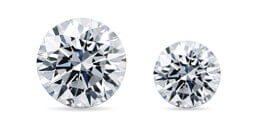
1 Carat
Carat is weight, not size. Perceived size depends on cut and shape. A slightly lower carat with a superior cut can look larger, brighter, and more refined on the hand.
- Maximise face-up size by prioritising cut.
- Consider shapes with wider spreads (Oval, Marquise, Pear).
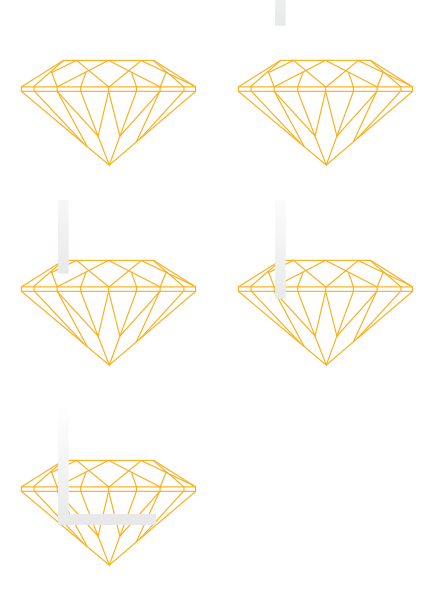
2 Cut
Cut drives brilliance and fire more than any other C. Precision angles, symmetry and polish return light back to the eye.
- Choose Excellent/Very Good where available.
- Hearts & Arrows patterns indicate top symmetry.
3 Colour
Colour grades measure the absence of tint. D–F are icy white; G–H look white in most settings and often deliver the best value.

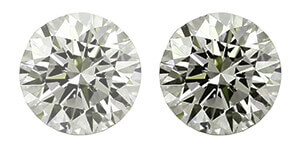
4 Clarity
Most diamonds have tiny inclusions. Many in the VS–SI range are “eye-clean” and indistinguishable in normal wear.
- Prioritise eye-clean over higher grades on paper.
- Avoid inclusions under the table where possible.

5 Certification
Independent grading (e.g., GIA) verifies the diamond’s characteristics. Standards vary between labs, so compare like-for-like.
- Prefer GIA/AGS for consistent grading.
- Verify laser inscription where available.
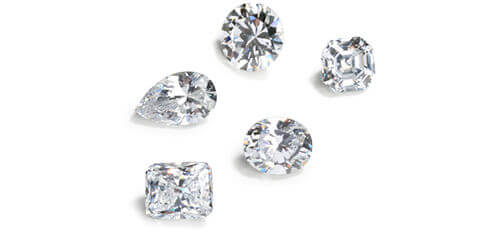
6 Contour (Shape)
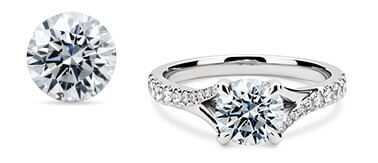
Round is classic. Fancy shapes bring character and often more spread for the same carat weight.
- Oval/Pear elongate; Emerald is elegant and glassy.
- Choose a contour that suits hand and lifestyle.
7 Cost
Balance the 7Cs for the best look per budget. A well-cut stone with smart colour/clarity thresholds often outshines a larger carat.
- Target cut first, then carat/shape, then colour/clarity.
- Let setting metal guide colour choice (e.g., warmer tones suit yellow gold).